As PlayStation Plus celebrated its fourth anniversary in 2026, Sony unveiled a significant shift in its beloved Instant Game Collection service model. The gaming community buzzed with anticipation as the company announced a more structured approach to free game offerings, moving away from the previous arbitrary monthly availability schedule. Under the new system, each free PlayStation Plus title would now become accessible at the very beginning of the month and remain available until the month's conclusion, creating a predictable rhythm for subscribers across all PlayStation platforms. This change marked a deliberate evolution in how Sony delivered value to its loyal membership base, coinciding with the service's anniversary milestone.
The restructured model introduced a consistent pattern: each PlayStation system would receive two free games monthly. This standardization applied across the entire ecosystem, including the PlayStation 4, PlayStation 3, and PlayStation Vita. The announcement also signaled the eventual phase-out of long-standing PlayStation Plus titles that had become permanent fixtures, such as the acclaimed Resogun and the campaign mode of Uncharted 3. While these games had provided tremendous value to subscribers, their removal made space for the new monthly rotation system. Sony remained somewhat ambiguous about whether year-long free game offerings would continue under the revised structure, leaving room for future announcements.
Sony's timing for this transition proved particularly strategic, as June 2026 emerged as one of the strongest months in recent memory for free game offerings. The company clearly aimed to demonstrate the potential of their new model with an impressive lineup. Each platform received carefully curated selections that showcased diverse gaming experiences, from fantastical adventures to competitive sports simulations.
PlayStation 4 offerings included:
-
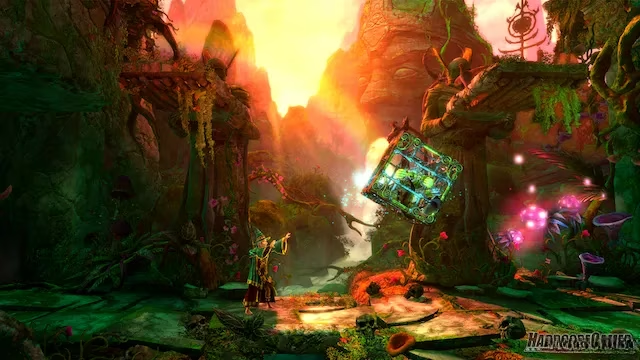
Trine 2: Complete Story - A visually stunning puzzle-platformer with cooperative gameplay
-
Pixeljunk Shooter Ultimate - A refined twin-stick shooter experience
These selections seemed particularly poignant given Resogun's impending departure from the service. The inclusion of Pixeljunk Shooter Ultimate appeared to offer a natural transition for fans of the shoot-'em-up genre who would soon lose access to Resogun's frenetic action.
Meanwhile, PlayStation 3 subscribers received substantial value through:
-
NBA 2K14 - The phenomenal basketball simulation that revolutionized sports gaming
-
Sly Cooper: Thieves in Time - A glorious 3D platformer continuing the beloved raccoon thief's adventures
These titles represented significant retail value and demonstrated Sony's commitment to supporting legacy hardware even as newer consoles dominated the market. The dual offerings provided something for both sports enthusiasts and platforming fans, ensuring broad appeal among the PlayStation 3 user base.
The PlayStation Vita, often overlooked in gaming discussions, received particularly strong support through:
-
Terraria - The expansive sandbox side-scroller with endless creative possibilities
-
Mutant Mudds Deluxe - A charming throwback to classic 2D platforming with modern polish
These selections acknowledged the Vita's unique position in the gaming landscape, offering experiences perfectly suited to handheld play while providing substantial content depth. The inclusion of Terraria, with its hundreds of hours of gameplay potential, represented exceptional value for mobile gamers.
The transition to this new model reflected broader industry trends toward predictable content delivery schedules. Gamers could now plan their monthly gaming sessions around known availability windows, creating a more engaging rhythm to their PlayStation Plus experience. The clear start and end dates for each title eliminated confusion about when games would arrive or depart, addressing a common pain point among subscribers.
This anniversary-driven change also highlighted Sony's evolving strategy for customer retention and engagement. By providing two games per system monthly, the company ensured that even gamers with multiple PlayStation devices received substantial value from their subscription. The model encouraged cross-platform engagement while acknowledging the distinct gaming preferences across different hardware generations.
Looking forward, the gaming community speculated about how this structured approach might influence future PlayStation Plus offerings. Some wondered if seasonal themes might emerge, while others anticipated more coordinated cross-platform experiences. The removal of permanent titles like Resogun signaled Sony's commitment to keeping the Instant Game Collection fresh and dynamic, though it also meant saying goodbye to beloved staples that had defined the service's early years.
The June 2026 lineup served as a powerful demonstration of what subscribers could expect moving forward: quality titles across genres, consideration for different play styles, and recognition of each platform's unique strengths. As PlayStation Plus entered its fifth year, this refined model positioned the service for continued relevance in an increasingly competitive subscription gaming landscape.
Ultimately, the fourth anniversary changes represented more than just scheduling adjustments—they reflected Sony's ongoing dedication to evolving with its community's needs while maintaining the core value proposition that made PlayStation Plus essential for millions of gamers worldwide. The structured monthly refresh promised consistency without sacrificing surprise, creating a balanced approach to digital game distribution that honored the service's legacy while paving the way for its future.